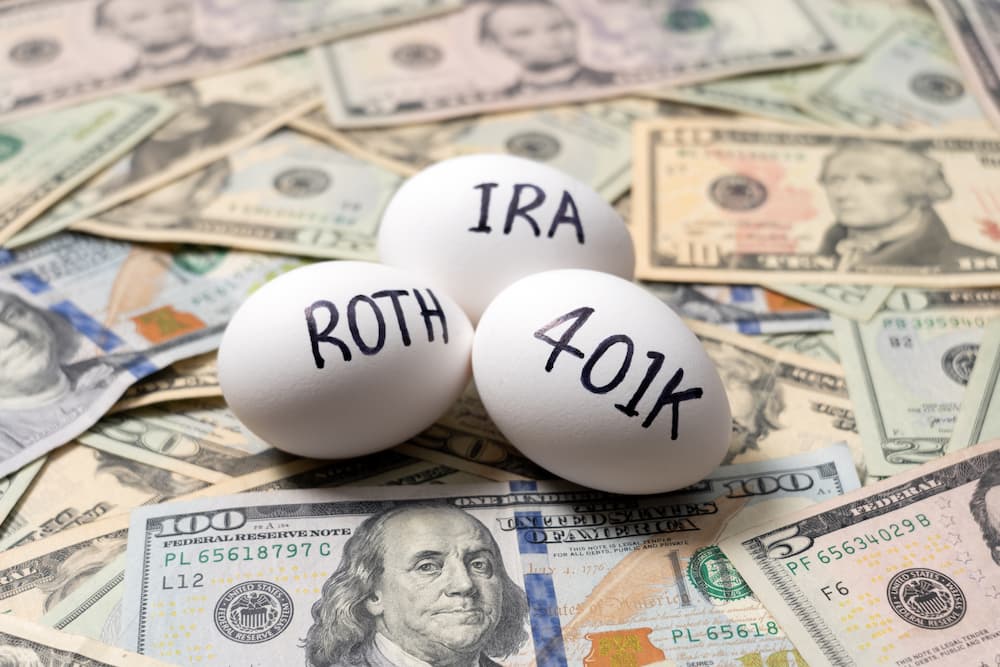
Choosing between a Traditional IRA and a Roth IRA shapes how retirement savings grow and withdrawals are taxed later in life. Individuals weighing their options often ask, What’s the difference between a Traditional IRA and a Roth IRA? Understanding how each type handles contributions, earnings, and distributions allows you to align your decision with both current circumstances and long-term plans. Whether starting to build retirement savings or re-evaluating an existing strategy, comparing a Traditional IRA vs a Roth helps create a path that supports lasting financial security.
How IRAs Support Long-Term Retirement Savings
An IRA is a savings tool that helps individuals prepare for retirement with potential tax benefits. It is an important part of retirement planning because it offers a structured way to build savings over time.
The main goal of an IRA is to promote long-term savings through tax incentives that can boost the growth of retirement funds. Depending on the IRA type, these benefits include tax-deferred growth or tax-free withdrawals, influencing your overall savings approach.
What’s the Difference Between a Traditional IRA and a Roth IRA?
Choosing a Traditional IRA vs a Roth IRA shapes your retirement strategy. Their main distinction is the timing of tax payments on contributions and earnings.
With a Traditional IRA, contributions are often tax-deductible, reducing your taxable income in the year you contribute. This is advantageous if you’re currently in a higher tax bracket. However, the IRS taxes withdrawals during retirement as ordinary income, allowing your investments to grow tax-deferred until then.
A Roth IRA, on the other hand, involves after-tax contributions. You pay taxes upfront, but qualified withdrawals in retirement are tax-free. This can be beneficial if you expect to be in a higher tax bracket later, as it secures your current tax rate.
Both IRAs have annual contribution limits set by the IRS. For 2023, you can contribute up to $6,500, or $7,500 if you’re 50 or older, thanks to catch-up contributions. However, Roth IRA contributions are subject to income limits, which vary based on your filing status.
Withdrawal rules differ as well. Traditional IRAs require you to take required minimum distributions (RMDs) at age 73. Roth IRAs, however, do not have RMDs during the account holder’s lifetime, offering more flexibility in managing your retirement funds.
Advantages of a Traditional IRA
A Traditional IRA can be a wise choice for those looking to optimize their retirement savings for the following reasons:
- Tax-deductible contributions
- Tax-deferred growth
- Investment options for a customized portfolio
Advantages of a Roth IRA
A Roth IRA offers significant benefits, especially for those who expect to be in a higher tax bracket during retirement. These advantages include:
- Tax-free withdrawals
- No required minimum distribution (RMD)
- Liquidity
Factors to Consider When Choosing Between Traditional and Roth IRAs
Choosing between a Traditional IRA and a Roth IRA involves weighing several key factors to match your retirement goals and financial situation.
- Age: Younger investors might lean towards a Roth IRA for its potential for long-term, tax-free growth. Those nearing retirement might find the immediate tax deductions of a Traditional IRA more appealing.
- Current and future tax brackets: If you expect to be in a higher tax bracket during retirement, a Roth IRA could be beneficial, offering tax-free withdrawals when taxes are higher. Conversely, if you foresee a lower tax bracket in retirement, a Traditional IRA might provide tax savings now, with withdrawals taxed at a reduced rate later.
- Income level: Assessing your current income and projecting future earnings can help determine which IRA aligns best with your financial path.
- Retirement goals and flexibility: A Roth IRA offers more control over withdrawals, as it doesn’t require minimum distributions. If immediate tax savings are your priority, a Traditional IRA might be better.
Ultimately, you should base the choice between a Traditional and Roth IRA on a thorough evaluation of your financial situation, tax implications, and retirement objectives.
Making the Right IRA Retirement Choice
If you’re uncertain which IRA suits you best, seeking professional advice can be beneficial. Fairman Financial offers personalized guidance to help align your retirement strategy with your personal goals. Contact us at Fairman Financial today to explore how we can assist you in making informed decisions for your retirement planning.
